
The big weekend is finally here. Here is your tactical strategy for navigating the crowds, the heat, and the rhythm of Aruba’s biggest events on Saturday and Sunday.
It’s Friday the 13th. Tomorrow is Valentine’s Day. But more importantly for the thousands of people currently on the island, tomorrow kicks off the Grand Carnival Weekend.
If you are reading this, you likely already know that it’s happening (and perhaps you read our earlier piece on the unique clash of Carnival and Cupid this year). But as the barricades go up along the routes in San Nicolas and Oranjestad, reality sets in. These aren’t just parades; they are massive, all-day cultural marathons involving tens of thousands of participants and spectators.
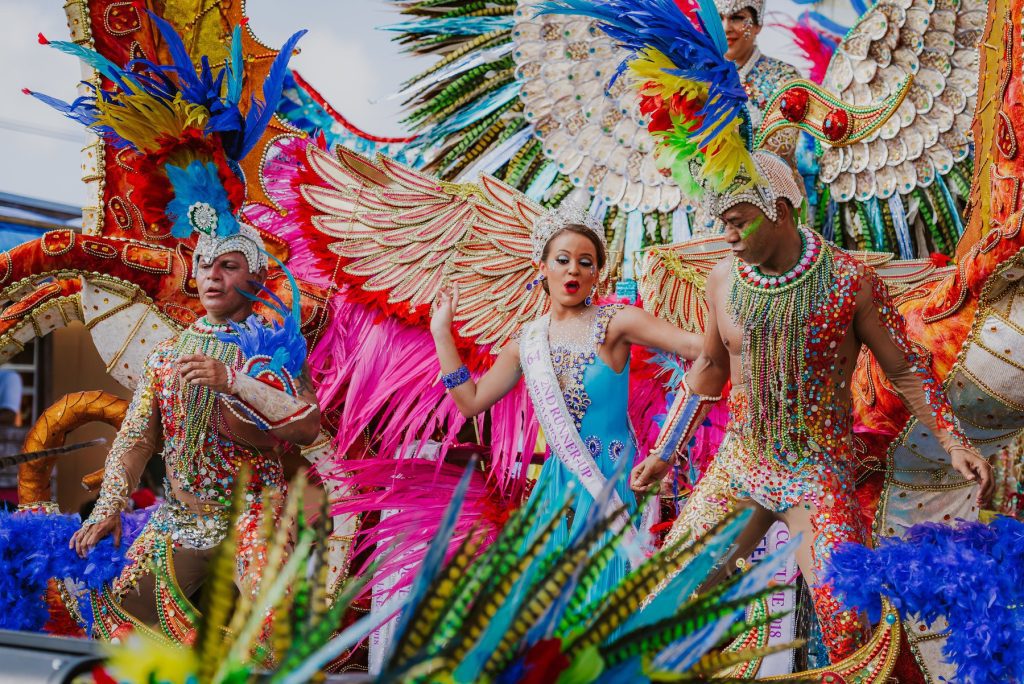
It is loud, it is crowded, it is hot, and it is absolutely incredible. To ensure your memory of the weekend is “euphoric” rather than “exhausting,” you need a strategy.
Here is the VisitAruba survival guide to spectatorship during the Grand Parades.
1. Where to Watch: The “Best Seat” Strategy
Unlike a stadium event, there is no central box office for Carnival seats. The route is public, but finding a spot requires know-how.
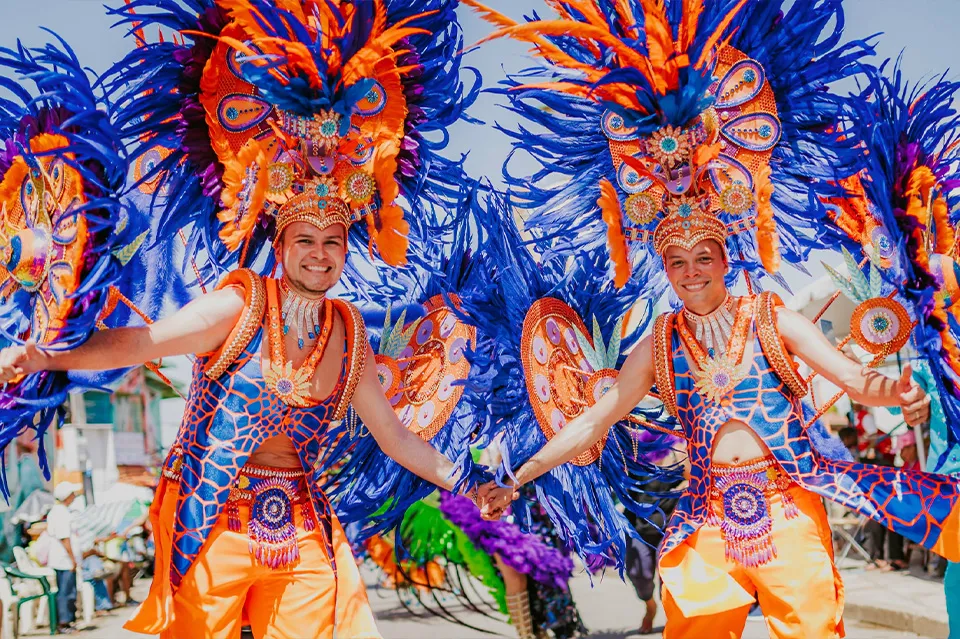
The “Free” Experience (Sidewalks & Curbs)
For 90% of visitors, the plan is simple: find an open spot on the sidewalk.
- In Oranjestad (Sunday): The most popular stretch is L.G. Smith Boulevard. This wide road offers the best views of the massive floats. The area near the Renaissance Marketplace is a hotspot of activity with easy access to food and restrooms nearby.
- In San Nicolas (Saturday): The streets are narrower, creating an electric, intimate atmosphere. Look for spots along Bernhardstraat—but arrive early, as space here is at a premium.
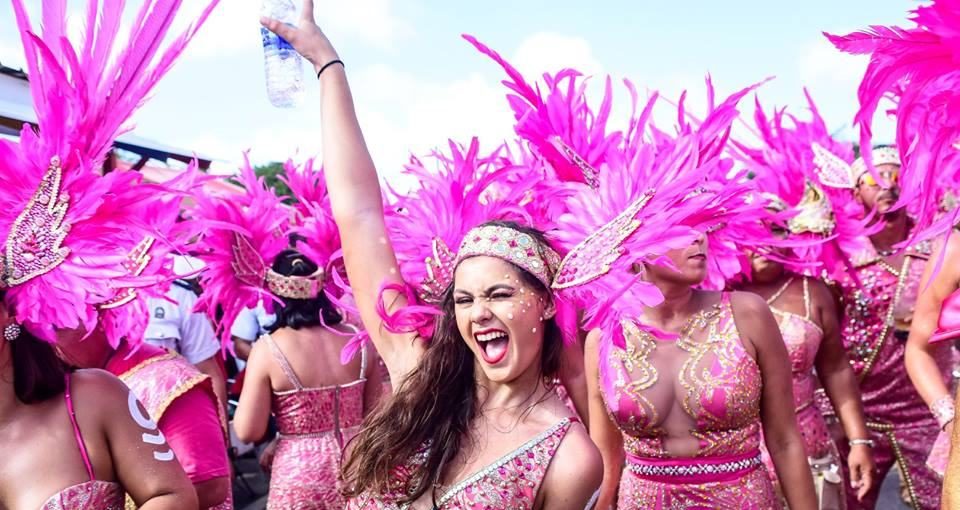
Can I Buy a Seat?
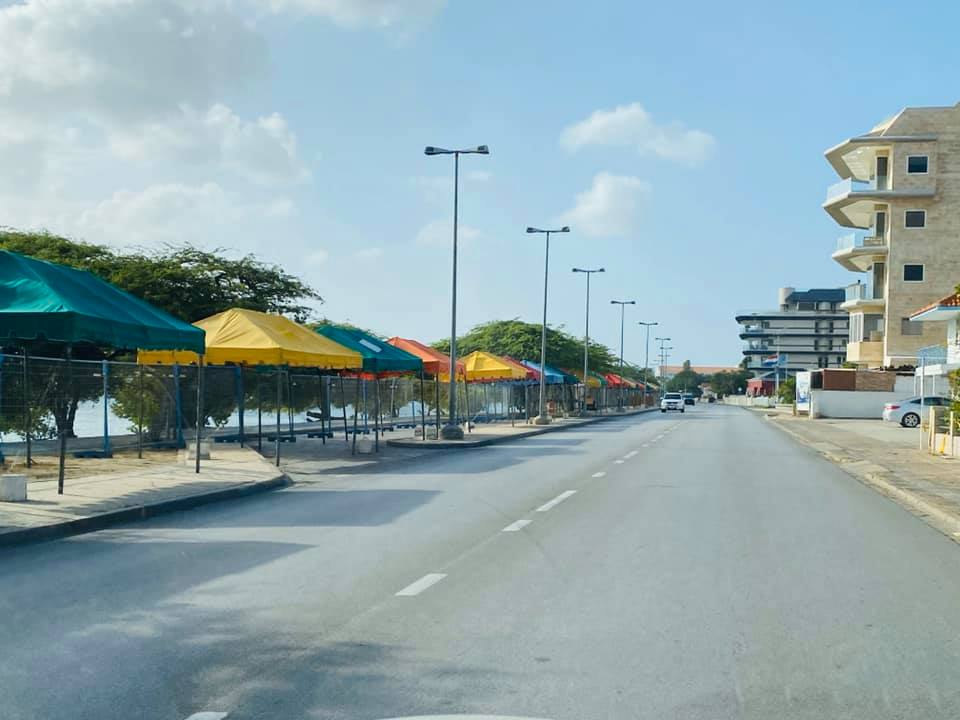
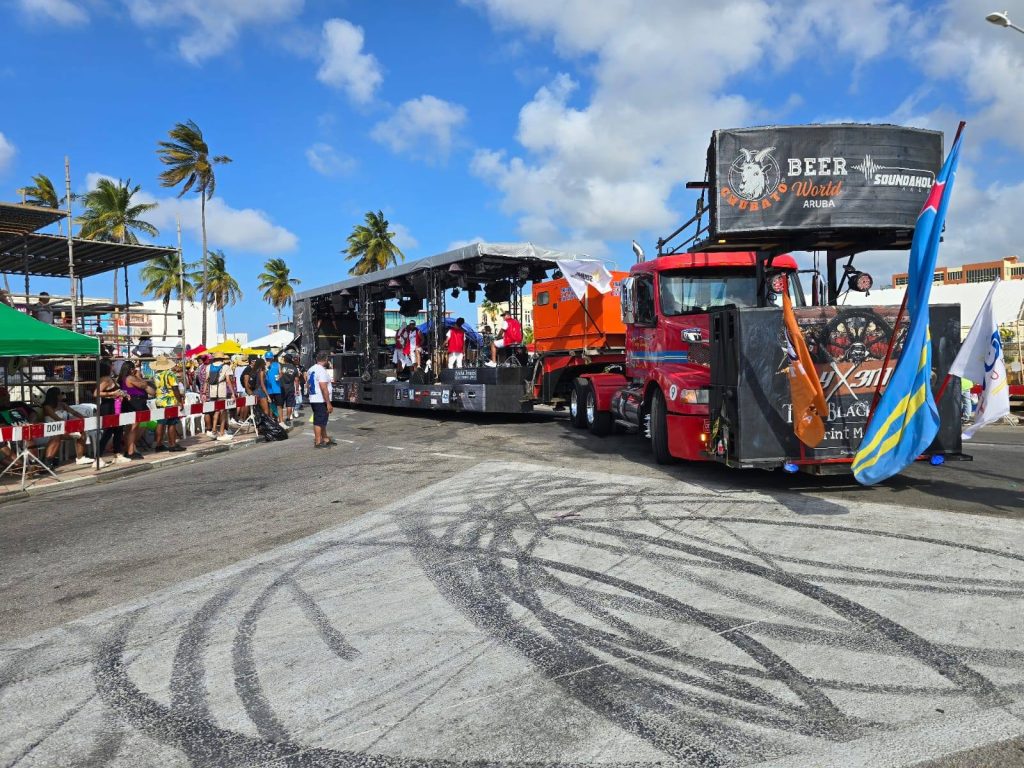
You will see large trailers and tents set up along the road. Note: These are privately rented “kavels” (plots) reserved by local families and companies months in advance. You cannot buy a ticket to enter them.
However, some hotels and restaurants along the route may offer viewing packages.
Insider Tip: If you want comfort without the hassle, head to Renaissance Marketplace. While the street-side views fill up fast, the area is a hub of energy, and you can often grab a bite or a drink at one of their bars or restaurants before or after the procession passes.
View the official 2026 Carnival Route Maps here
2. Master “Aruba Time” vs. “Official Time”
The most common mistake first-time spectators make is showing up too early and burning out before the best groups arrive.
The official start times (usually midday) indicate when the very first police escort and sponsor trucks begin moving at the start of the route. Carnival parades are miles long and move slowly. If you are situated midway through the route in Oranjestad, you might not see the first dancer for two hours after the official start time.
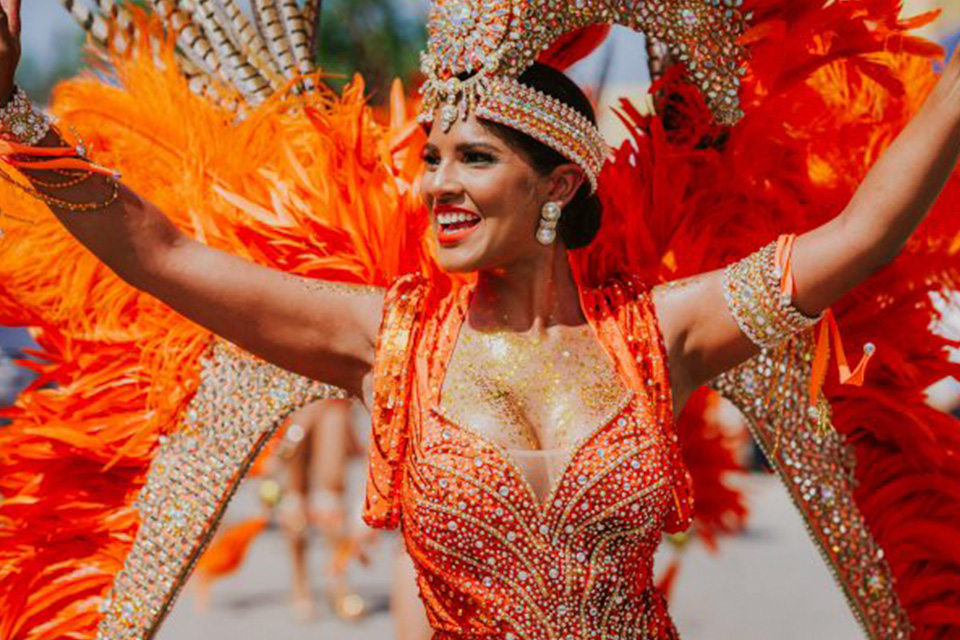
The Strategy: Do not rush to be curbside at 10:00 AM. Have a leisurely morning, hydrate, and aim to arrive just as the energy starts building. It’s a marathon, not a sprint.
3. The Spectator’s Survival Kit
You will be standing, dancing, and exposed to the elements for 4 to 7 hours. If you show up with just your phone and a wallet, you will regret it by hour three.
Your backpack should include:
- Serious Sun Protection: Reapply often. The Aruban sun is unforgiving, even when breezy. Read more about Aruban weather and UV here.
- Earplugs: This is crucial. The speaker trucks are the size of semi-trailers and the bass is earth-shaking. It’s part of the fun, but you’ll want earplugs to give your ears a break when the trucks pass directly in front of you.
- Water, Water, Water: It is very easy to get dehydrated between the heat and the dancing. Bring your own insulated water bottle.
(Pro-Tip: Stock up on water, ice, and snacks beforehand at a loical supermarket such as Ling & Sons or Superfood so you aren’t relying solely on street vendors.)
4. Location Strategy: San Nicolas vs. Oranjestad
The two Grand Parades have different vibes. Knowing the difference helps you prepare.
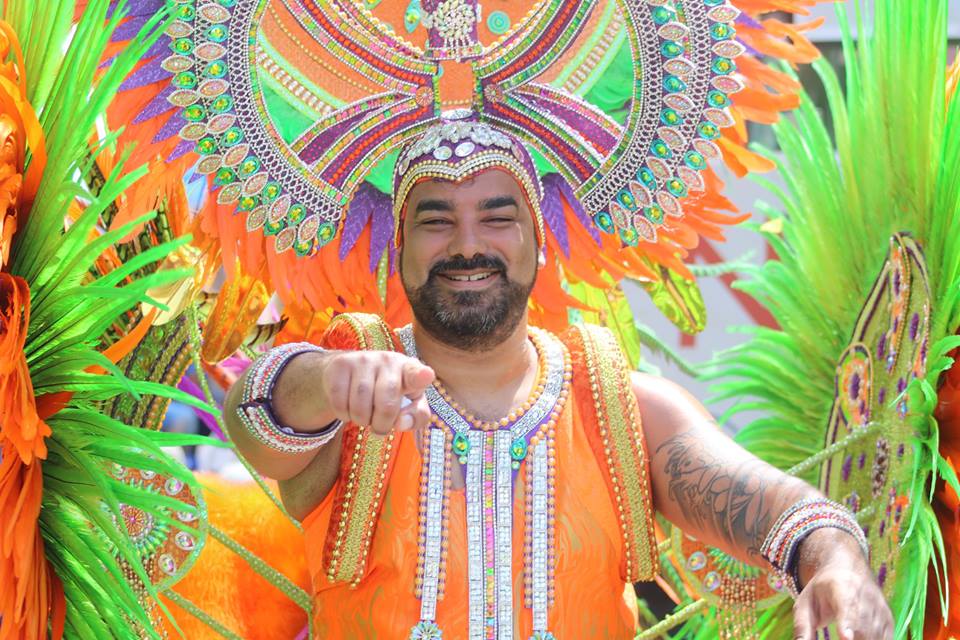
- Saturday (San Nicolas): The “Sunrise City” parade often feels more raw, energetic, and authentic. The streets are slightly narrower, meaning you are right up against the action. The energy here is unmatched, but it is tighter.
- Sunday (Oranjestad): The Grand Parade in the capital is on wider boulevards. There is more room to breathe, but the crowds are enormous.
The Parking Reality Check: Do not try to park near the route. Roads close early, and you will get blocked in. If you have rented a car, leave it at your hotel. Take a taxi as close as they can get you, and walk the rest of the way. It is the only stress-free option.
5. Respect the Barricades (and the Dancers)
You will see low barricades or ropes lining the route. Do not cross them.
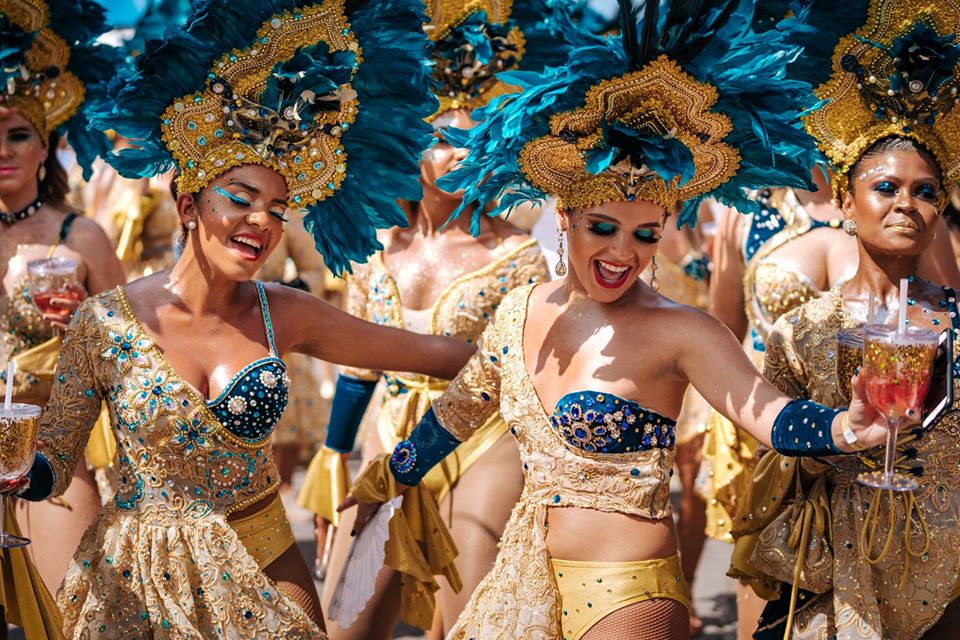
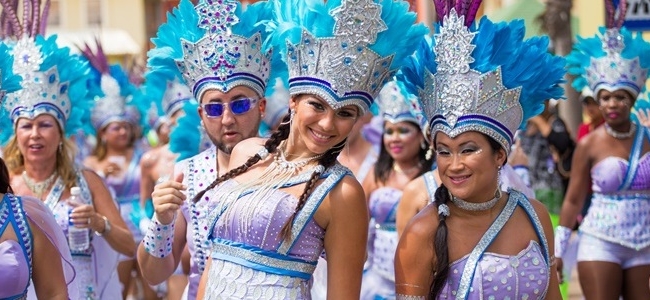
The dancers in those incredible costumes have paid to be there and are performing under the weight of feathers and jewels in the heat. They are there to put on a show for you, but give them space to move. If you jump into the street for a selfie, you are disrupting the flow of a group that has practiced for months.
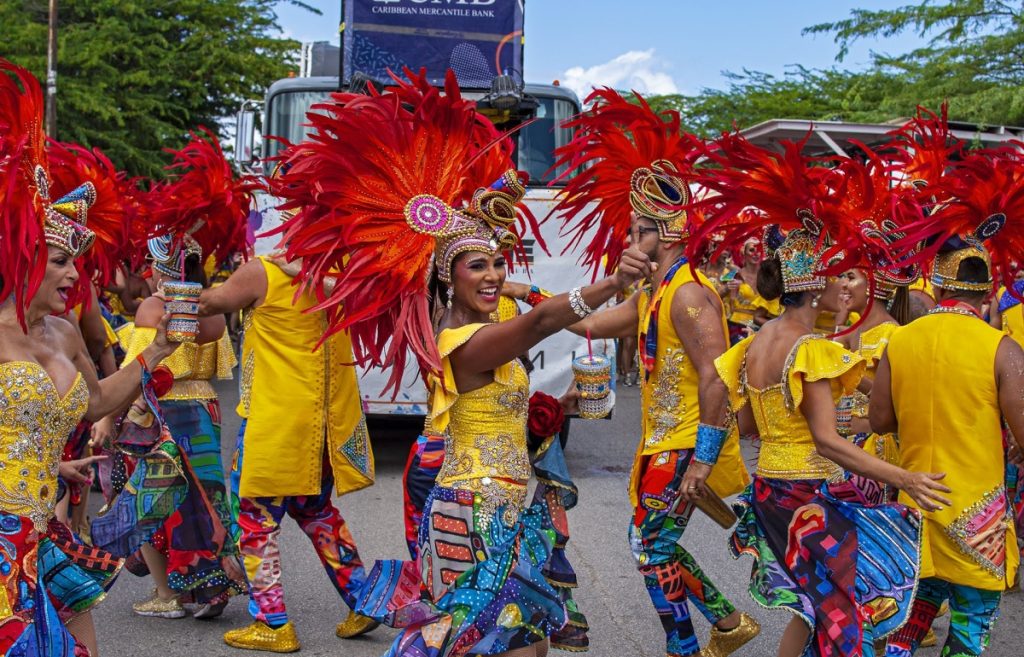
Wave, cheer, dance on the sidewalk, and the energy you give out will be returned ten-fold by the participants!
6. The Exit Strategy
When the last truck passes, the party doesn’t end—it just spills into the street.
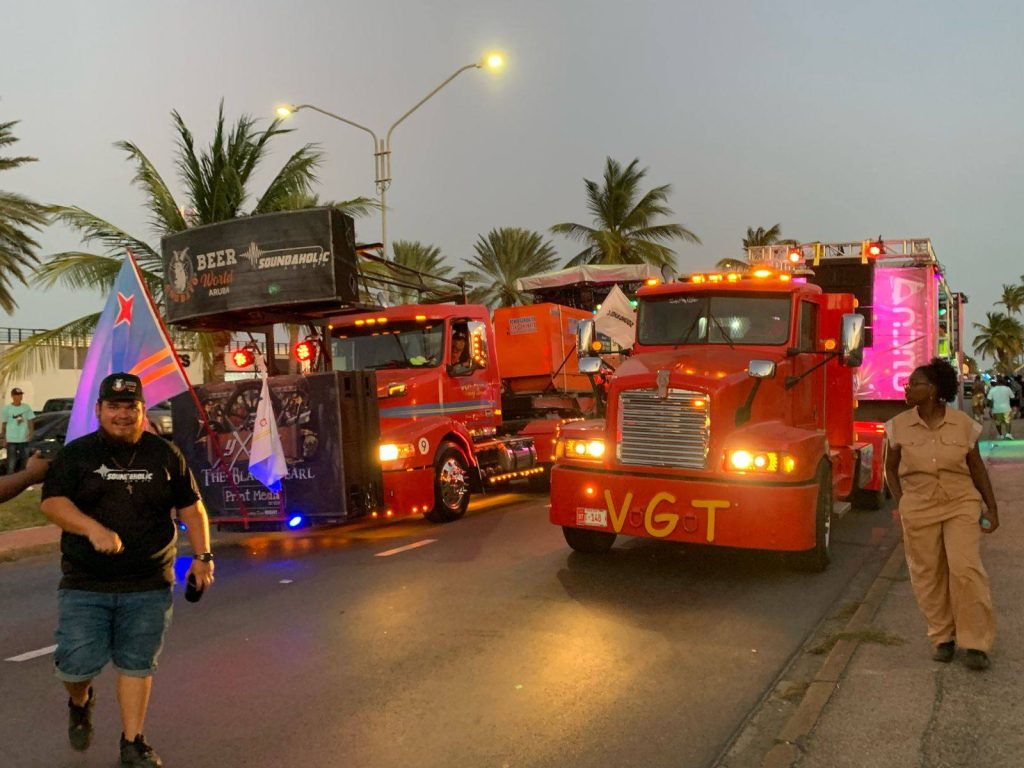
Expect gridlock immediately following the parades. Trying to catch a taxi right on the main boulevard immediately after the parade ends is nearly impossible. Our advice? Walk a few blocks away from the parade route into the quieter residential areas to call a taxi or meet your ride. Better yet, find a nearby local restaurant that is open, grab a seat, and wait an hour for the madness to die down.
Carnival in Aruba is a bucket-list experience. With a little preparation, you’ll catch the “Carnival Fever” that keeps locals going year after year. Have an amazing (and safe) weekend!