
No hurricane season. 360 days of sunshine. Temperatures that barely move all year. Here’s what Aruba’s weather actually looks like month by month — and exactly what to pack.
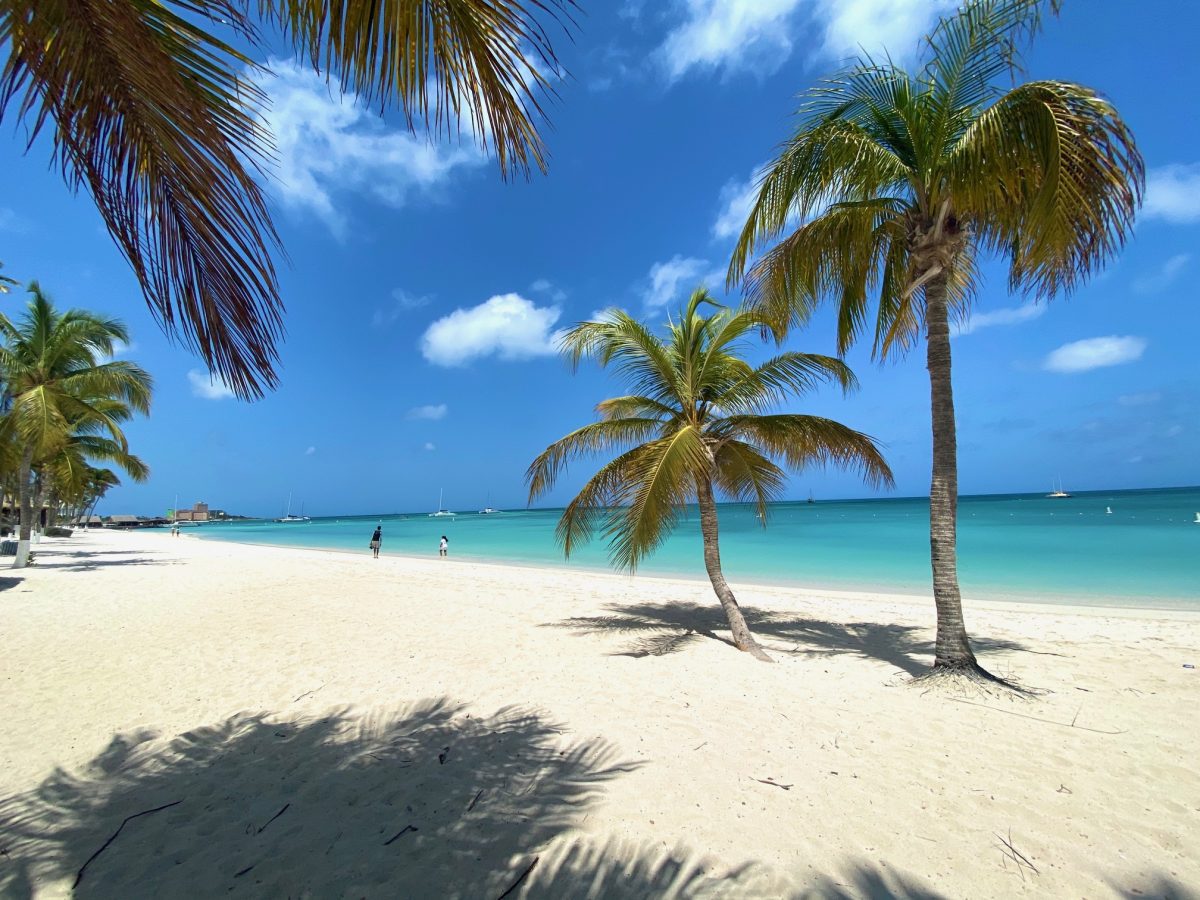
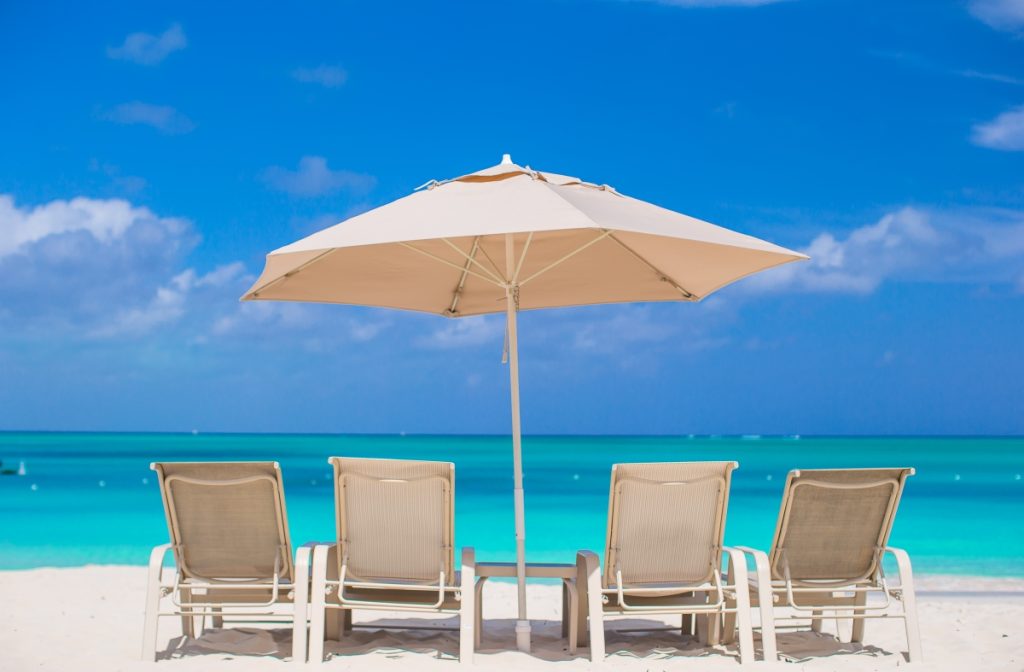
Here is Aruba’s best-kept secret: there’s no bad time to visit. Seriously. While the rest of the Caribbean spends half the year bracing for hurricanes, Aruba sits 15 miles north of Venezuela, well outside the hurricane belt, enjoying around 360 days of sunshine per year. The trade winds blow in from the northeast almost constantly, keeping temperatures comfortable even at the height of summer.
That said, the months are not all identical. Here’s exactly what to expect — and what to pack — for every time of year.
Aruba’s Climate at a Glance
- Average year-round temperature: 82°F (28°C)
- Annual rainfall: approximately 17 inches — less than Los Angeles
- Trade winds: steady almost year-round from the northeast, averaging 15–20 mph
- Hurricane risk: effectively zero (Aruba is outside the hurricane belt)
- Humidity: lower than most Caribbean islands, thanks to those trade winds
Month by Month
January & February — Peak Season
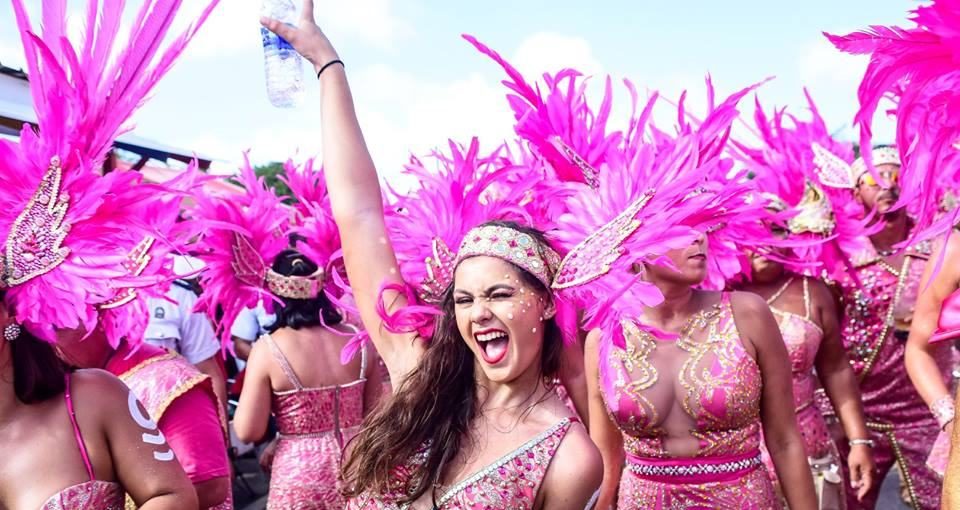
The busiest and most popular months to visit. The weather is flawless: sunny days, cooling trade winds, and very little chance of rain. This is Carnival season, which means the island is buzzing with music, parades, and an energy you won’t find anywhere else. Book accommodation well in advance.
- Temperature: 79–84°F (26–29°C)
- Rainfall: minimal
- Crowds: highest of the year
- Best for: Carnival, first-timers, couples
March & April — Spring Sweet Spot
Carnival has wrapped up, but the weather remains perfect. Spring break brings a surge of visitors in mid-March, but by April the island quietens down and prices start to ease. This is one of the best times for families and couples who want great weather without full peak-season crowds.
- Temperature: 80–86°F (27–30°C)
- Rainfall: very low
- Crowds: moderate (spring break spike in mid-March)
- Best for: families, beach lovers, water sports
May & June — Off-Season Value
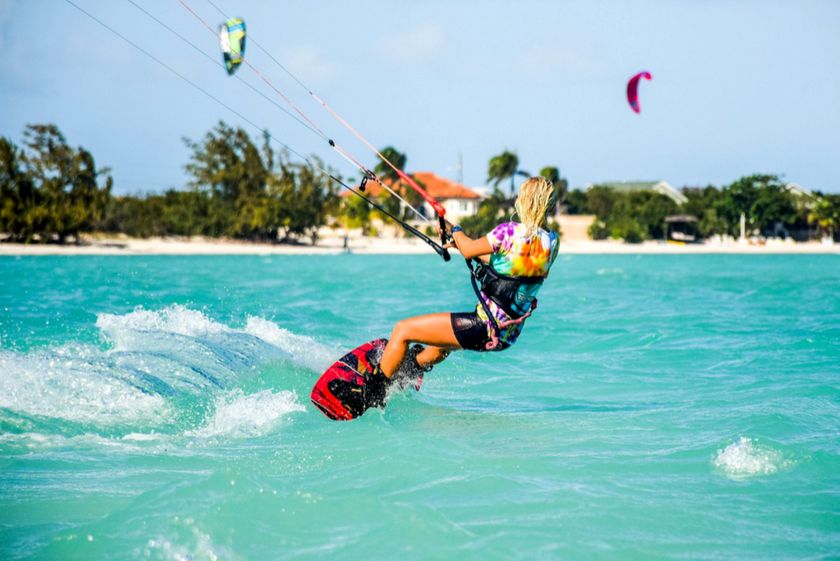
The tourist trade slows, and with it, the prices. The weather stays warm and sunny, the trade winds remain steady, and the beaches are noticeably less packed. Aruba Hi-Winds takes place in mid-May (May 13–18 in 2026) — the Caribbean’s biggest windsurfing and kitesurfing event, held at Sarah-Quita Beach in Palm Beach. It’s free to attend, wildly entertaining even if you’ve never picked up a board, and a great reason to time a trip around.”
- Temperature: 82–88°F (28–31°C)
- Rainfall: slightly higher, but still low overall
- Crowds: low
- Best for: budget travellers, watersports fans, Hi-Winds spectators, quiet beach days
July & August — Summer Families
School holidays bring families to the island, particularly from the US and Canada. The weather is hotter but manageable, thanks to those ever-present trade winds. The sea stays calm and clear, and this is prime time for watersports. Hi-Winds — Aruba’s legendary windsurfing and kitesurfing competition — takes place in late June and early July.
- Temperature: 84–90°F (29–32°C)
- Rainfall: low to moderate
- Crowds: moderate-high
- Best for: families, watersports, summer getaways
September & October — The Quiet Months
The slowest time of year, and the best deals. The trade winds ease slightly, making it feel a touch warmer and more humid, and there’s a marginally higher chance of brief afternoon showers. But “more chance of rain” in Aruba still means the sun is out most of the day. The Art Fair in San Nicolas runs in September — a culturally rich event worth visiting.
- Temperature: 83–89°F (28–32°C)
- Rainfall: highest of the year (but still low by most standards)
- Crowds: lowest of the year
- Best for: budget travellers, off-peak explorers, art lovers
November & December — Back to Peak
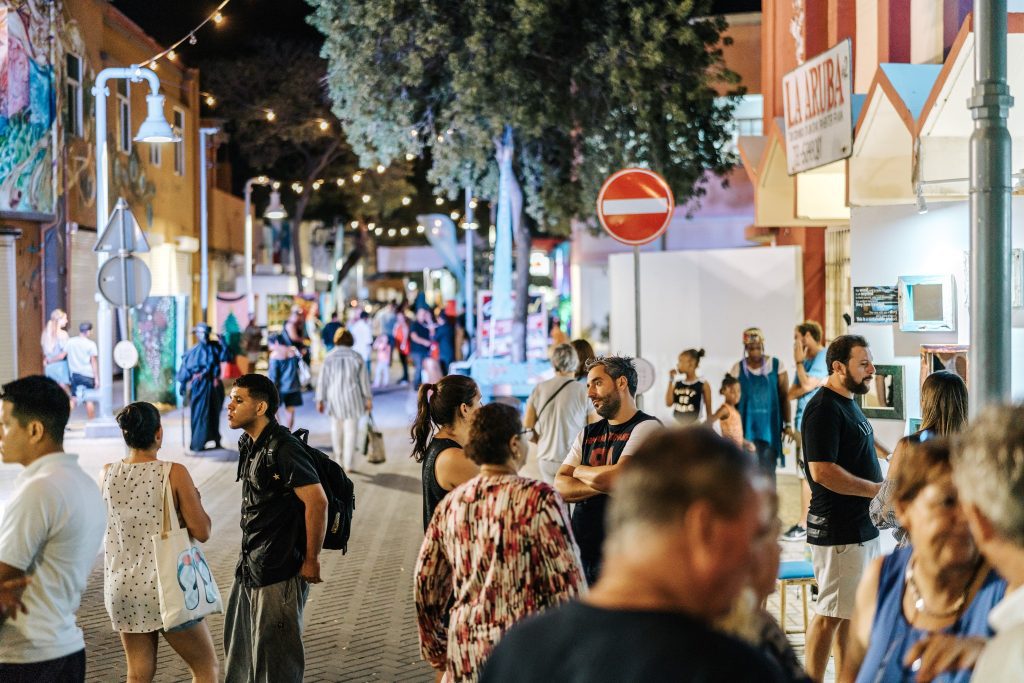
The island wakes up again. Restaurant Month runs in November, with special menus and deals across the island’s dining scene. December is festive and lively, with New Year’s Eve celebrations that are genuinely spectacular. Prices rise as the Christmas holiday approaches — book ahead.
- Temperature: 80–86°F (27–30°C)
- Rainfall: low
- Crowds: rising through December
- Best for: foodies, holiday travellers, New Year’s Eve

What to Pack for Aruba
Regardless of when you visit, the packing list is pretty consistent.
Essentials (Year-Round)
- Reef-safe SPF 50 sunscreen — the sun is strong year-round
- Light, breathable clothing — linen, cotton, anything that moves with the breeze
- Swimwear (and a coverup for walking from beach to restaurant)
- Comfortable sandals and one pair of walking shoes for exploring
- A light cardigan or layer for air-conditioned restaurants and casinos
If Visiting September–October
- A very lightweight rain jacket — just in case
- Insect repellent — slightly more useful in the wetter months
The Bottom Line
Aruba is genuinely a year-round destination in a way that few Caribbean islands can claim. The best time to visit is whenever works for your schedule — and your budget. If you want the full carnival experience and don’t mind the peak-season prices, January and February are magical. If you want excellent weather, fewer crowds, and better value, April or May will surprise you. And if you just want to escape somewhere warm and beautiful with almost zero weather risk, any month will do.
Ready to plan your trip? Check our entry requirements, browse where to stay, and explore things to do on the island.